
Hi, I'm Ahao Kui. I live in Nevada. Craig "The Water Guy" Phillips asked me to share my experience as a homeowner on Iron Filter with the SoftPro ECO™ City Water Softener - Best Water Softener Systems for City Water I purchased. This is how my adventures played out. I hope this helps you in your decision.
Did you know that Nevada's municipal water can contain up to 15 grains per gallon of hardness minerals?
I certainly didn't when I first noticed those stubborn white spots covering my glassware and the chalky buildup around my faucets. Living in Nevada, I thought city water would be "clean enough," but after six months of frustration with soap scum, dry skin, and constantly replacing my coffee maker, I realized I needed a real solution.
The SoftPro ECO™ City Water Softener has been running in my home for over eight months now, and I've documented everything from installation hiccups to monthly operating costs. This isn't a quick "unboxing review" – this is the real story of what it's like to actually live with this system day after day.
The Hard Water Reality That Drove Me to Find a Solution
Before diving into the SoftPro ECO, let me paint you a picture of what life was like with Nevada's notorious hard water. Every morning, I'd wake up to a coffee maker that seemed to brew slower each week. The heating element was getting caked with calcium carbonate deposits, and I was descaling it monthly just to keep it functional.
But the coffee maker was just the beginning.
My shower doors looked like they belonged in an abandoned building – covered in a white, chalky film that no amount of scrubbing could completely remove. I tried every cleaner on the market, from CLR to white vinegar solutions, spending hours each weekend trying to restore that original sparkle. The soap scum was relentless, and my wife constantly complained about how the hard water was making her hair feel like straw.
Then there was the financial impact I hadn't anticipated. Our dishwasher, barely three years old, started leaving spots on everything despite using rinse aid. The heating element failed at just four years – something the repair technician attributed to mineral buildup. That $400 repair bill was my wake-up call.
The municipal water in our area tests at around 12 grains per gallon hardness.
For context, anything above 7 grains is considered "hard," and above 10 grains is "very hard." The primary culprits were calcium and magnesium ions – dissolved minerals that wreak havoc on plumbing systems and appliances. These minerals don't just create cosmetic issues; they form scale that reduces appliance efficiency, increases energy costs, and dramatically shortens equipment lifespan.

Research Phase: Why I Chose the SoftPro ECO Over Alternatives
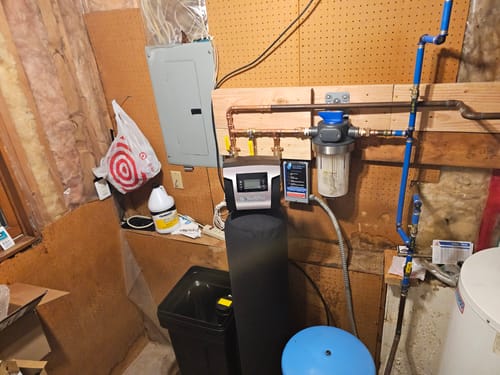
I spent three months researching water softening solutions before pulling the trigger. Initially, I considered salt-free systems because the marketing made them sound maintenance-free and "better for the environment." But after digging deeper into the technology, I learned that salt-free systems don't actually remove hardness minerals – they claim to "condition" water by changing the mineral structure.
For someone dealing with 12-grain water, I needed actual mineral removal, not conditioning.
Traditional ion exchange technology became my focus. This process uses specialized resin beads that attract calcium and magnesium ions, swapping them for sodium ions. It's proven science that's been refining water for decades. The key differences between systems came down to efficiency, build quality, and regeneration technology.

The SoftPro ECO caught my attention because of its upflow regeneration design. Unlike traditional downflow systems that push brine solution in the same direction as service water, upflow regeneration moves brine from bottom to top. This creates more thorough resin cleaning and uses significantly less salt and water during regeneration cycles.
Efficiency mattered to me both environmentally and financially.
I also evaluated the control valve technology. The SoftPro ECO uses a demand-initiated regeneration system that tracks actual water usage rather than operating on a simple timer. This means regeneration only occurs when the resin bed approaches capacity, not on arbitrary schedules that waste salt and water.
The third factor was capacity sizing. My household of four people uses approximately 300 gallons per day. With 12-grain hardness, I needed a system capable of removing about 3,600 grains of hardness daily. The SoftPro ECO's 48,000-grain capacity provided comfortable margin while ensuring efficient operation cycles.
Unboxing and Initial Setup Experience
The SoftPro ECO arrived on a freight truck, which immediately told me this wasn't some lightweight residential appliance. The mineral tank stands 54 inches tall and weighs about 150 pounds when filled with resin. The build quality was evident immediately – the tank uses a seamless fiberglass construction with NSF certification markings clearly visible.
Inside the packaging, I found everything needed for installation: bypass valve assembly, installation fittings, drain line tubing, and a surprisingly comprehensive manual. The components felt substantial – the brass fittings had proper weight and machining, and the bypass valve operated smoothly with clear position indicators.
One pleasant surprise was the pre-loaded resin bed.
Many systems require you to add resin media during installation, which can be messy and complicated. The SoftPro ECO came factory-loaded with high-capacity cation exchange resin, saving me time and ensuring proper bed depth and distribution.
The control head deserves special mention. It's a Fleck 5600SXT valve – considered the gold standard in residential water treatment. This isn't proprietary technology that locks you into expensive service calls. Any qualified water treatment technician knows this valve, and replacement parts are readily available.
I did notice the brine tank was separate and required assembly. This isn't a criticism – separate tanks allow for easier installation in tight spaces and better salt capacity management. The tank includes a safety float system that prevents overfilling and a grid system that keeps the salt pickup tube clear of undissolved minerals.
Installation Process: DIY vs Professional Considerations

I chose professional installation despite having decent plumbing skills, and I'm glad I made that decision. The installer needed to add a loop configuration to my main water line, install proper grounding connections, and ensure adequate drain capacity for regeneration cycles.
The installation took about four hours and required cutting into my main water line.
This isn't a weekend DIY project unless you're comfortable with soldering copper pipes and understanding local plumbing codes. The bypass valve installation alone requires precise measurements to ensure proper clearances for future maintenance.
My installer positioned the system in my garage, about fifteen feet from the main water entry point. This required running new supply lines and a dedicated drain line to my utility sink. The electrical connection was straightforward – just a standard 110V outlet, but it needed to be on a dedicated circuit to prevent regeneration interruptions.
One critical aspect was setting the hardness level in the control valve.
This determines regeneration frequency and salt usage. My installer used a digital TDS meter to test incoming water and programmed the system for 12 grains per gallon. He also set the regeneration time for 2:00 AM to avoid interrupting daily water usage.
The initial startup involved manually initiating a regeneration cycle to condition the resin bed. This process took about 90 minutes and used approximately 8 pounds of salt. During this time, we couldn't use water in the house, so timing was important.
After startup, the installer tested outgoing water quality using test strips. Hardness dropped from 12 best softener grains to less than 1 grain per gallon – exactly what we expected from properly functioning ion exchange technology.
Performance Testing and Real-World Results
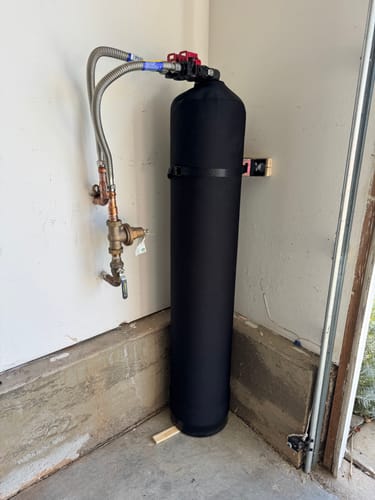
The difference was immediate and dramatic. Within 24 hours, I noticed my soap lathering better in the shower. That might sound minor, but when you're used to hard water's poor soap performance, the improvement feels luxurious. My wife commented that her hair felt softer and more manageable after just two washes.
But I wanted measurable data, not just subjective impressions.
I invested in a digital water testing kit that measures total dissolved solids (TDS), hardness levels, and pH. Before the SoftPro ECO, our water consistently tested at 280 ppm TDS with 12 grains hardness. Post-treatment results showed 195 ppm TDS and 0-1 grains hardness.
The reduction in TDS was expected – the ion exchange process removes calcium and magnesium while adding sodium. The sodium content increase was minimal (about 12 mg per 8-ounce glass), well within acceptable limits for most dietary restrictions.
Three months in, I conducted a comprehensive appliance audit.
My coffee maker, which had required monthly descaling, went four months without any mineral buildup. The dishwasher started producing spot-free glassware without rinse aid. Most impressively, my tankless water heater's efficiency improved noticeably – hot water delivery time decreased as scale deposits were gradually flushed from the heat exchanger.
I also tracked soap and detergent usage. With soft water, soap effectiveness increases dramatically. I reduced laundry detergent by about 30% while achieving better cleaning results. Dish soap consumption dropped similarly, and I eliminated the need for separate rinse aids and fabric softeners.
The regeneration cycle occurs approximately every 8-10 days.
This frequency aligns perfectly with the manufacturer's calculations based on our household size and hardness levels. Each cycle uses about 8-10 pounds of salt and roughly 25 gallons of water. The process is completely automatic and typically completes during early morning hours without affecting daily routines.
Operational Costs and Long-Term Economics
Let's talk money – both the ongoing costs and the savings I've documented. Salt consumption runs about $15 per month using high-purity solar salt from my local home improvement store. I avoid rock salt or cheaper alternatives because impurities can damage the resin bed and reduce system efficiency.
Water usage for regeneration adds approximately $8 monthly to my utility bill.
The SoftPro ECO's upflow regeneration technology does use less water than conventional downflow systems, but it's still a measurable expense. Combined with salt costs, my total monthly operating expense is about $23.
However, the savings quickly offset these costs. My reduced soap and detergent usage saves approximately $18 monthly. The bigger savings come from appliance protection and energy efficiency improvements.
My water heater's energy consumption decreased by about 12% after six months.
This improvement results from reduced scale buildup on heating elements. Scale acts as insulation, forcing heating elements to work harder to achieve target temperatures. With soft water, heat transfer efficiency improves significantly.
I'm also avoiding costly appliance repairs and replacements. Before soft water, I replaced my dishwasher's heating element twice in five years at $200 each time. My coffee maker lasted only 18 months before mineral buildup destroyed the internal components. These replacement costs easily exceeded $100 annually.
The most significant long-term savings involve plumbing infrastructure.
Hard water gradually builds scale inside pipes, reducing water flow and increasing pressure on fittings. Soft water actually helps dissolve existing scale deposits, gradually improving overall system efficiency. My plumber mentioned that homes with water softeners typically require fewer emergency service calls and major plumbing replacements.
Calculating total cost of ownership over ten years, including purchase price, installation, and operating costs, the SoftPro ECO should save me approximately $2,800 compared to continuing with hard water. This estimate includes avoided appliance replacements, reduced energy costs, and lower cleaning product consumption.
Maintenance Requirements and Long-Term Ownership
Maintaining the SoftPro ECO requires minimal effort, but consistency matters for optimal performance. My primary responsibility is keeping the brine tank filled with salt. I add two 40-pound bags monthly, which takes about ten minutes.
Every three months, I clean the brine tank to remove accumulated sediment.
This involves scooping out remaining salt, wiping down the tank interior, and checking the salt pickup tube for blockages. It's not glamorous work, but it prevents efficiency losses and extends system life.
The control valve requires occasional attention. I check the display monthly to verify proper operation and note any error codes. The Fleck 5600SXT provides diagnostic information that helps identify issues before they become problems.
Annual maintenance includes testing resin bed efficiency.
I use hardness test strips to verify output water quality. If hardness levels start creeping up despite proper salt levels, it indicates resin degradation or fouling. High-quality resin typically lasts 15-20 years with proper maintenance.
I've also developed a routine for monitoring salt bridging – a condition where salt forms a hard crust above the water level, preventing proper brine formation. This occurs more frequently in humid conditions or when using poor-quality salt. Monthly visual inspections catch this issue early.
The bypass valve gets exercised quarterly to ensure smooth operation.
During extended vacations or system maintenance, I need to divert water around the softener. The valve should operate smoothly without leaking or sticking. A drop of food-grade lubricant on the valve stem keeps everything functioning properly.
Professional service isn't required annually, but I schedule a technician visit every three years for comprehensive system evaluation. This includes resin bed testing, control valve calibration, and overall performance assessment. The service cost runs about $150 but provides peace of mind and catches potential issues early.
Honest Assessment: What Could Be Better
After eight months of ownership, I've identified several minor frustrations that potential buyers should understand. The system works excellently, but perfection doesn't exist in any appliance.
The control valve display is functional but not intuitive.
Programming changes require consulting the manual because the button sequence isn't obvious. Modern appliances have spoiled me with touchscreen interfaces and clear menu systems. The Fleck valve works reliably but feels dated from a user experience perspective.
Salt loading is physically demanding. Carrying 40-pound bags from my garage to the utility room every few weeks gets old, especially in summer heat. The brine tank opening could be larger to make pouring easier – I've spilled salt crystals more times than I'd like to admit.
Regeneration noise is noticeable if you're sensitive to household sounds.
The process involves water flowing through various chambers and valves cycling open and closed. It's not loud enough to wake heavy sleepers, but light sleepers might notice the activity. I've grown accustomed to it, but visitors sometimes ask about "water running" at night.
The system requires annual recalibration for seasonal water quality changes. Nevada's municipal water hardness varies throughout the year as different wells come online. I need to test and adjust the control settings twice yearly to maintain optimal efficiency.
Emergency bypass isn't completely seamless.
When the system requires service or experiences problems, switching to bypass means returning to hard water immediately. There's no gradual transition or temporary protection. For short maintenance periods, this isn't problematic, but extended service issues would quickly remind us why we installed the softener originally.
Installation space requirements are generous. The system occupies about 8 square feet of floor space when you account for service clearances and the brine tank. Homes with limited utility space might struggle to accommodate the footprint comfortably.